
Our Process
Current Approach
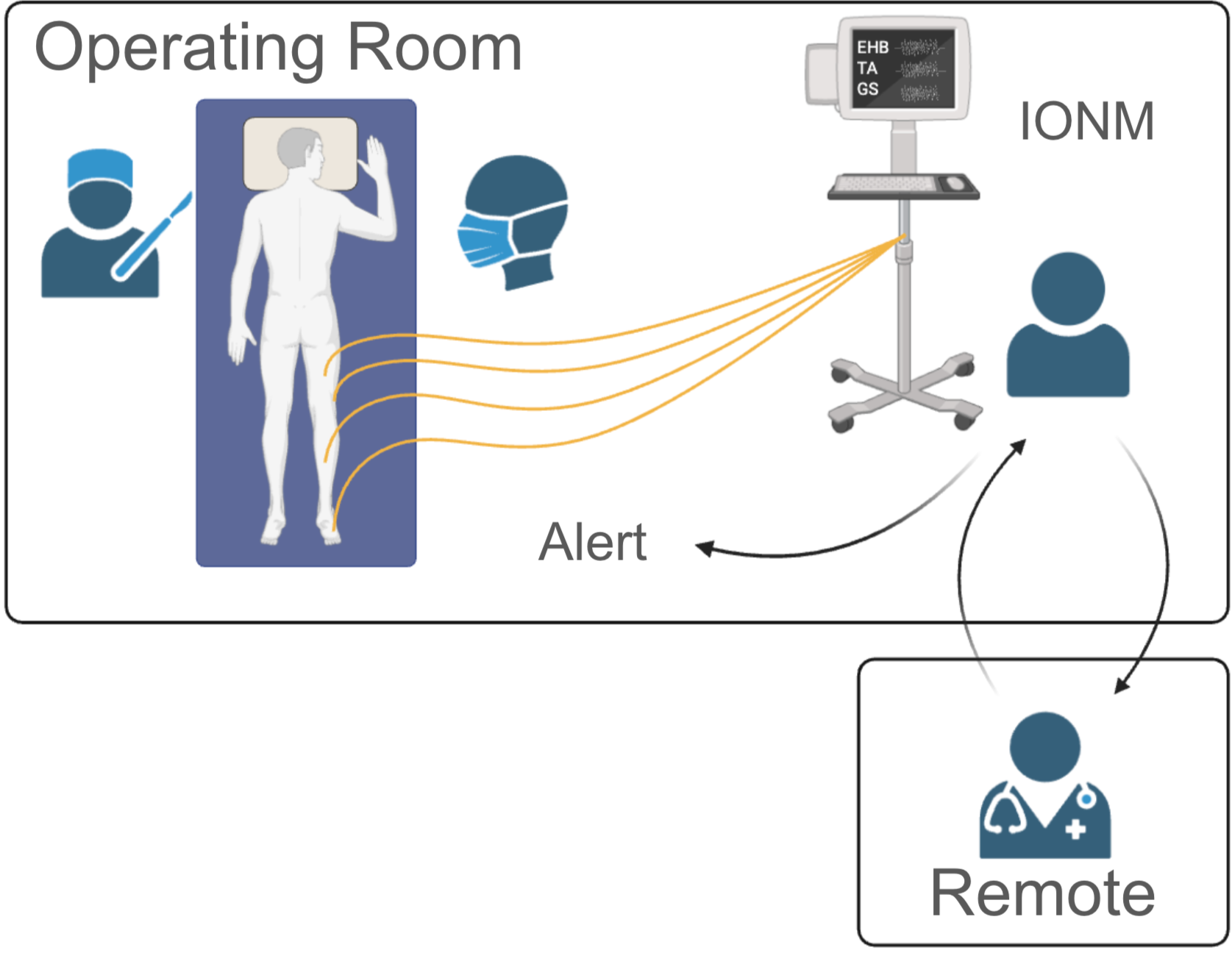
Current intraoperative care involves several teams (surgery, anesthesia, neuromonitoring) reviewing multiple data streams to make real-time decisions. In many centers remote neurophysiologists review neuromonitoring data, with inherent delays in response. This can lead to confusion, error, and delayed escalations.
Our Approach
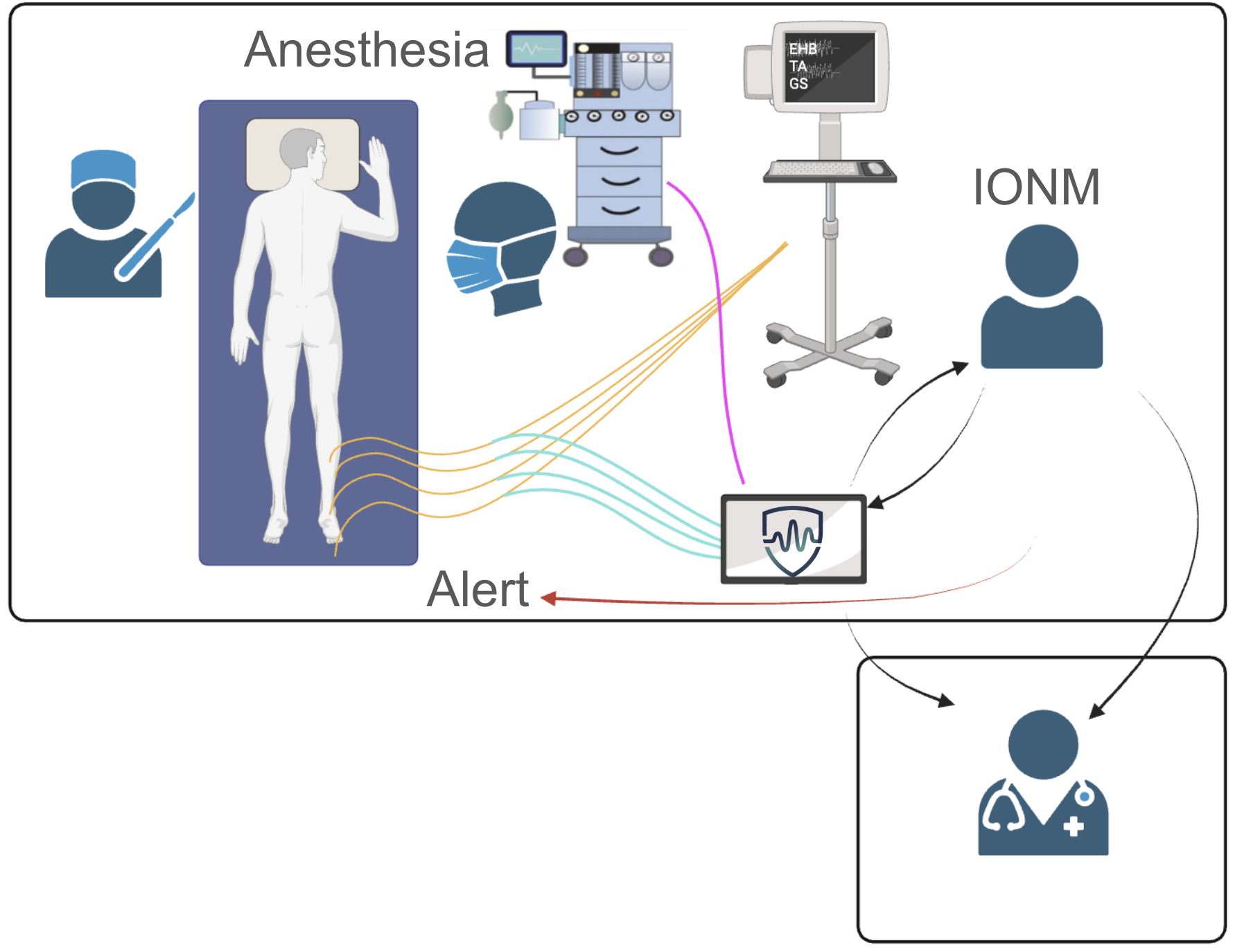
At Signal Sentry, our approach utilizes best-in-class algorithms to assist providers to make objective decisions in real-time. Our approach integrates multi-modal data streams and provides real-time alerts to assist providers to make more confident and faster decisions.
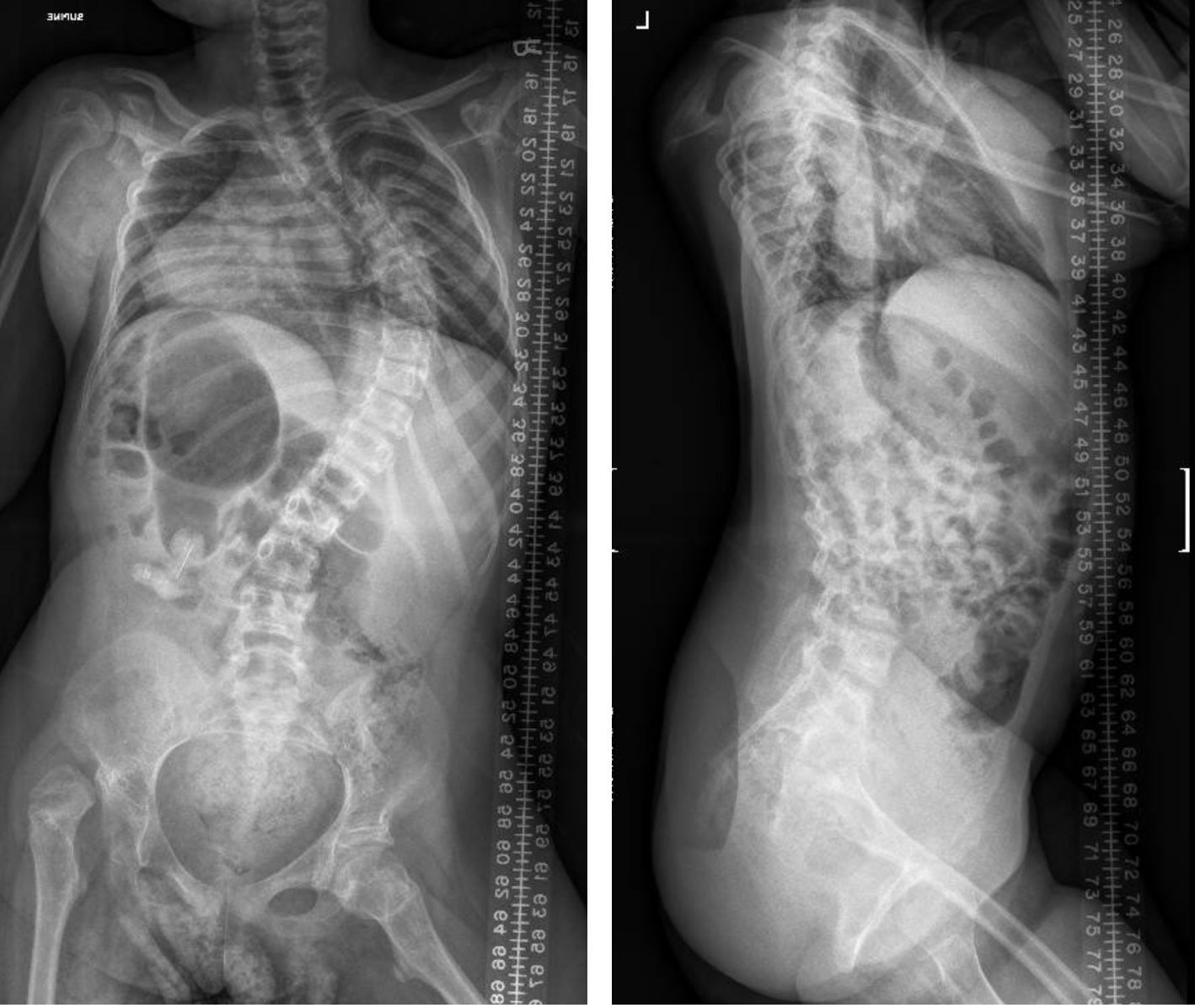
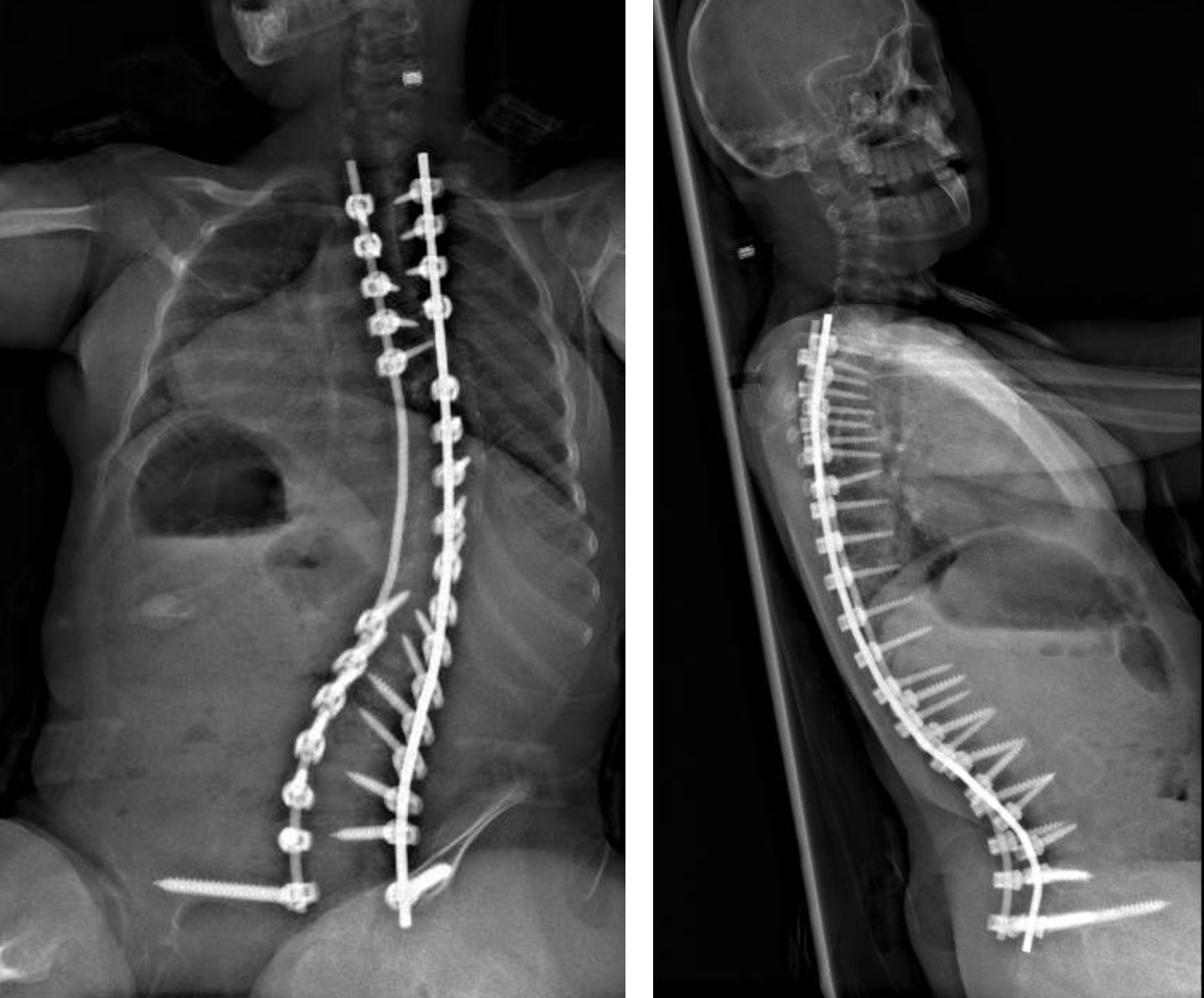
Case Example: Planned for posterior spinal fusion T2-pelvis with multiple posterior column osteotomies.
11:59AM
Baseline intra-operative neuromonitoring was established
Lumbosacral pedicle screws were placed in standard fashion with no concerning neuromonitoring changes.
Thoracic pedicle screws were then placed on the left, with posterior column osteotomies. No neuromonitoring changes were observed.
1:49PM
Thoracic pedicle screws were the placed on the right.
Neuromonitoring indicated a complete loss of bilateral motor evoked potentials as well as somatosensory evoked potentials. The right sided screws were removed, with no screw malposition or breaches identified, with no improvement in neuromonitoring.
The left sided screws were then removed, with no breaches or malpositon identified.
1:54PM
Following removal of the left sided screws the right sided neuromonitoring signals improved.
1:58PM
After several minutes, the left sided neuromonitoring signals improved as well
Further spinal cord decompression was performed, and the operation was completed with no further neuromonitoring changes.
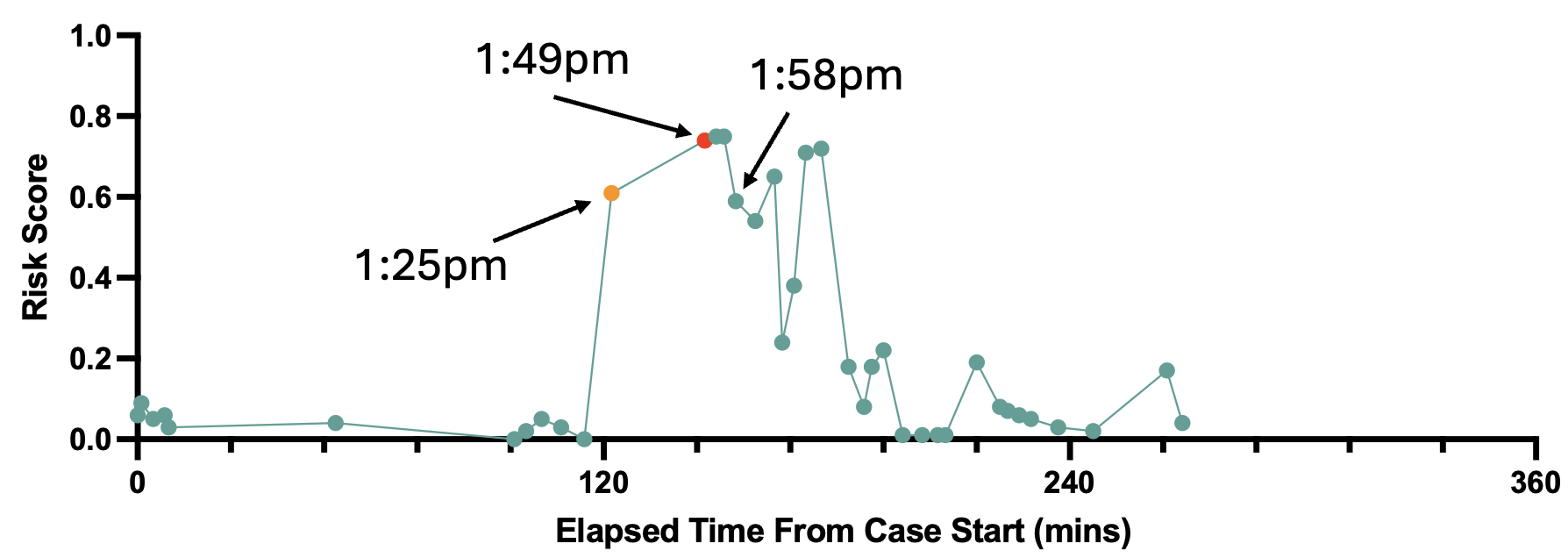
Risk assessment using Signal Sentry identifies high risk motor evoked potentials at 1:25pm, 24 minutes prior to the neuromonitoring change identified by human neuromonitoring team.

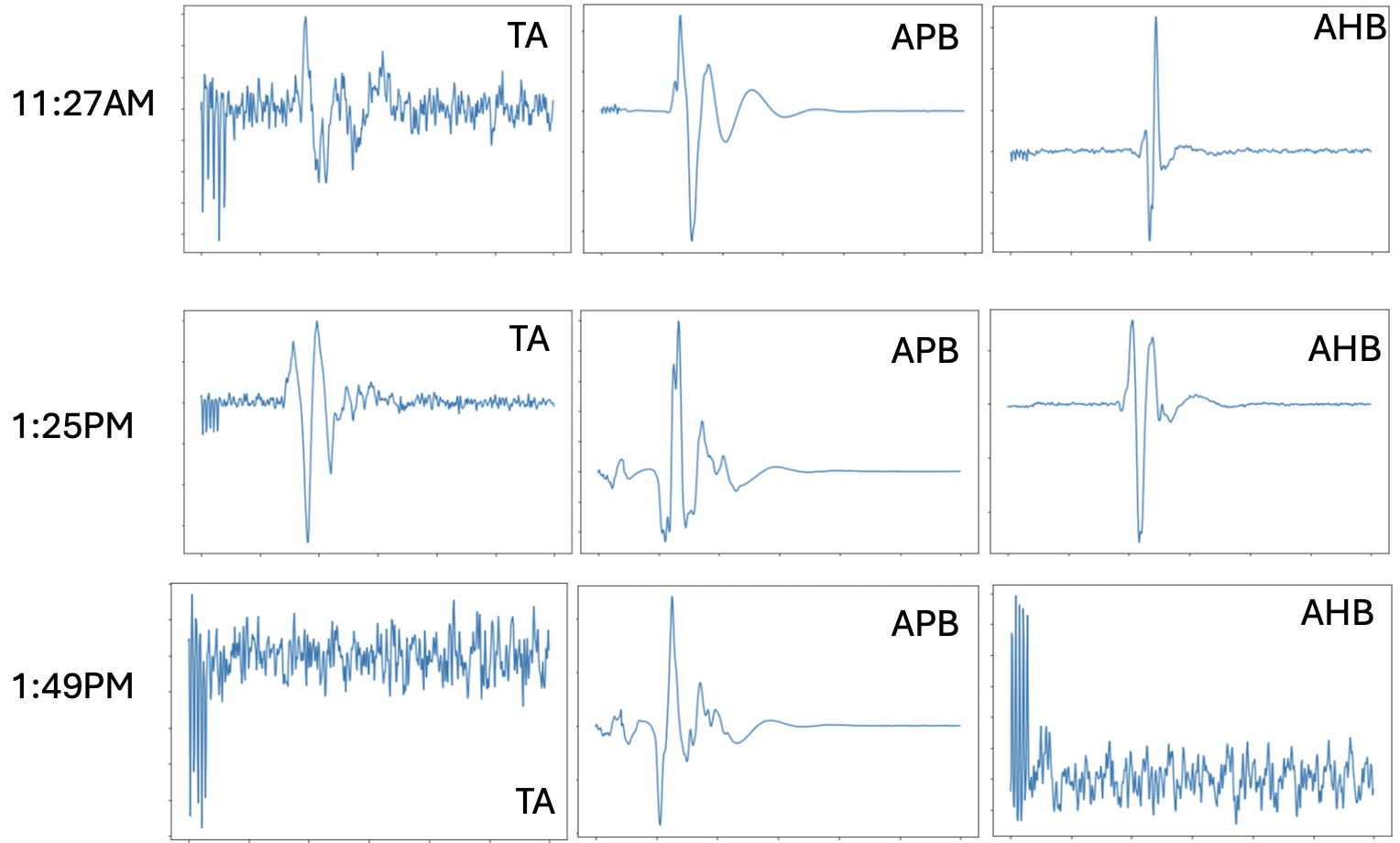
Representative motor evoked potentials. Signal Sentry can detect sub-clinical changes in motor evoked potential to identify changes before catastrophic loss.